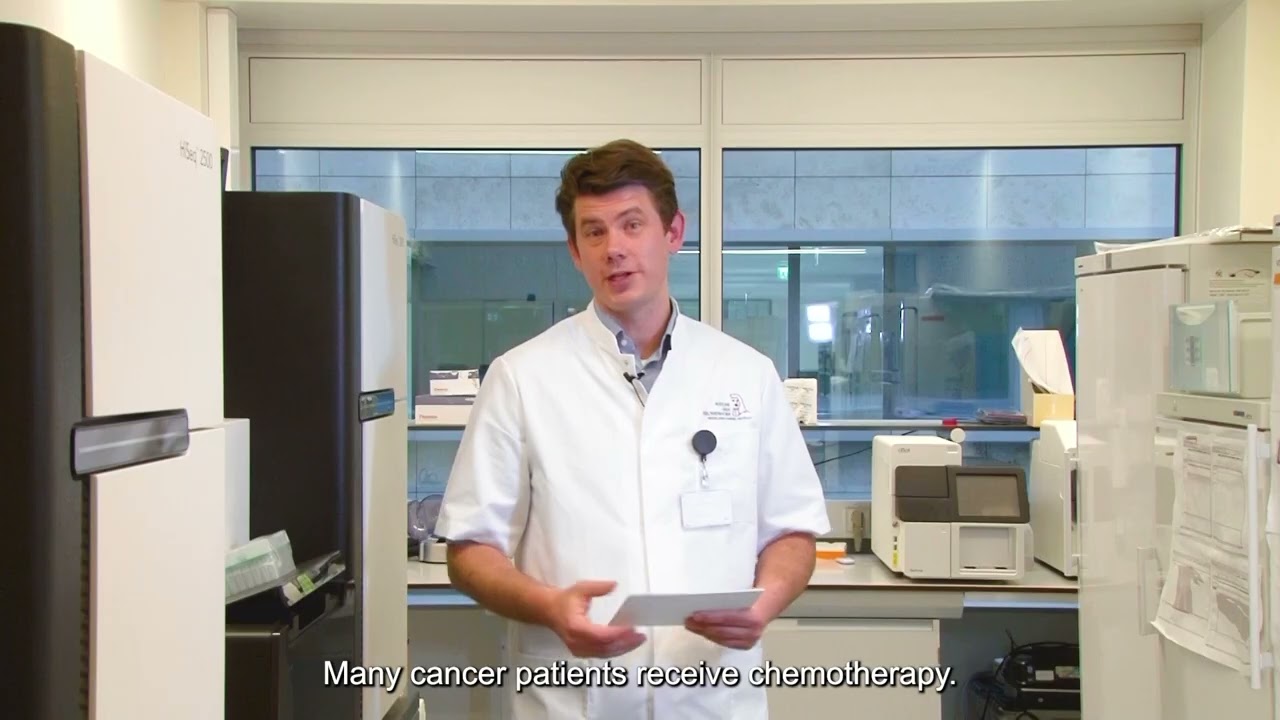
Researchers Joris van de Haar and Emile Voest from the Netherlands Cancer Institute, and Nicola Valeri and colleagues from Imperial College in London and The Institute of Cancer Research analyzed a large database with DNA of colon cancer patients. They found that patients with a specific letter change in the 3 billion-letter long tumor DNA (the "KRAS G12 mutation") do not benefit from the life-prolonging chemotherapy given to terminally ill people with colon cancer. As a result, they decided to re-examine a study in 2015 that demonstrated the efficacy of FTD/TPI chemotherapy against colon cancer. In this study, 800 colon cancer patients received this chemotherapy or a placebo.
The conclusion? The group of over 250 patients with a G12 mutation lived just as long when receiving a placebo treatment as they did when receiving chemotherapy, which comes with side effects. A G12 mutation is common in people with colon cancer, with approximately 25% of all patients presenting with this mutation in the tumor DNA. FTD/TPI is a last-resort treatment for patients with metastatic colon cancer. "This means that we can now use a relatively simple DNA test to predict that this large group of patients will not benefit from this chemotherapy," said Van de Haar. "So we can prevent unnecessary harm from side effects in the last stage of these people's lives."